
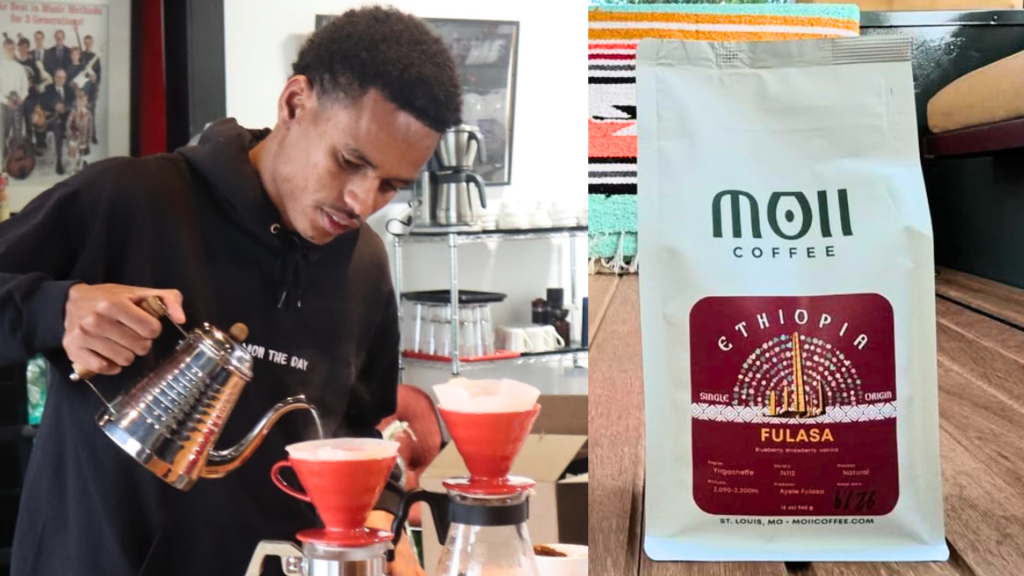
The story of Moii Coffee, founded by Ethiopian student Firaol Ahmed, offers a powerful blueprint for African brands aiming for long-term success. What began as a hobby in a university dorm room quickly evolved into a purpose-driven enterprise, demonstrating that authentic values are not just good for the soul, but essential for sustainable growth and global resonance.
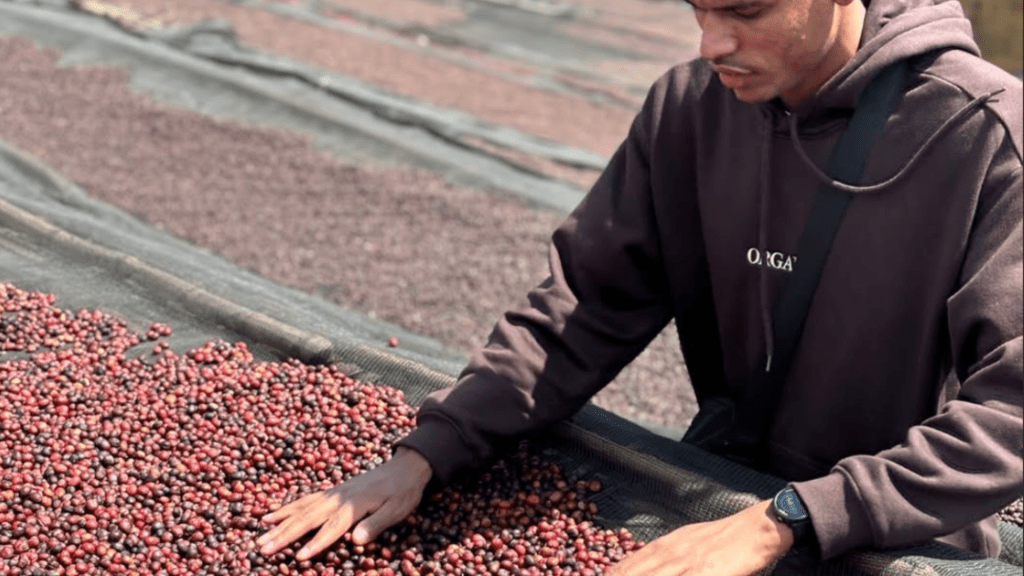

From its inception, Moii Coffee was built on a clear mission: to “humanise the coffee business”. This wasn’t a marketing slogan; it was the core of their operation. Firaol, whose family has a multi-generational history in coffee farming in Ethiopia , witnessed firsthand the inequities of traditional supply chains where farmers had minimal selling power. Moii Coffee was created to challenge this system, empowering Ethiopian farmers by giving them direct selling power and ensuring they receive fair prices for their produce. This commitment means that “everything the farmers and producers earn goes directly to them through the platform” , allowing them to “price their products”. This deep-seated purpose is not an add-on; it is the business model, fostering trust and creating a powerful differentiator in a competitive market.
Moii’s success is also deeply rooted in its authenticity. Firaol’s Ethiopian heritage and the brand’s explicit focus on empowering African farmers provide a unique, compelling narrative. In a global market increasingly prioritizing ethical sourcing and transparency, this connection to origin stories transforms cultural identity into a powerful competitive advantage. The brand name itself, “Moii,” meaning ‘CONQUER’ , encapsulates this ambitious spirit and commitment to overcoming systemic challenges. By amplifying the voices of Ethiopian coffee farmers and connecting consumers directly to the communities behind each cup, Moii fosters a deeper loyalty that transcends mere product sales.
Initially, Moii operated by roasting and selling coffee directly to consumers. However, through active customer feedback and participation in Saint Louis University’s entrepreneurial programs, Firaol made a pivotal strategic shift. Moii pivoted to become primarily a supply chain and logistics firm, directly connecting Ethiopian coffee farmers with North American roasters. This innovation wasn’t just about efficiency; it was about scalability and finding a “better and more scalable solution to continue to help African coffee growers sell their product”. This adaptability, driven by a commitment to their core purpose, allowed Moii to address systemic issues more effectively and build a robust, long-term business. To ensure quality and trust, Moii implements a rigorous multi-day cupping process and conducts background checks on both farmers and roasters.
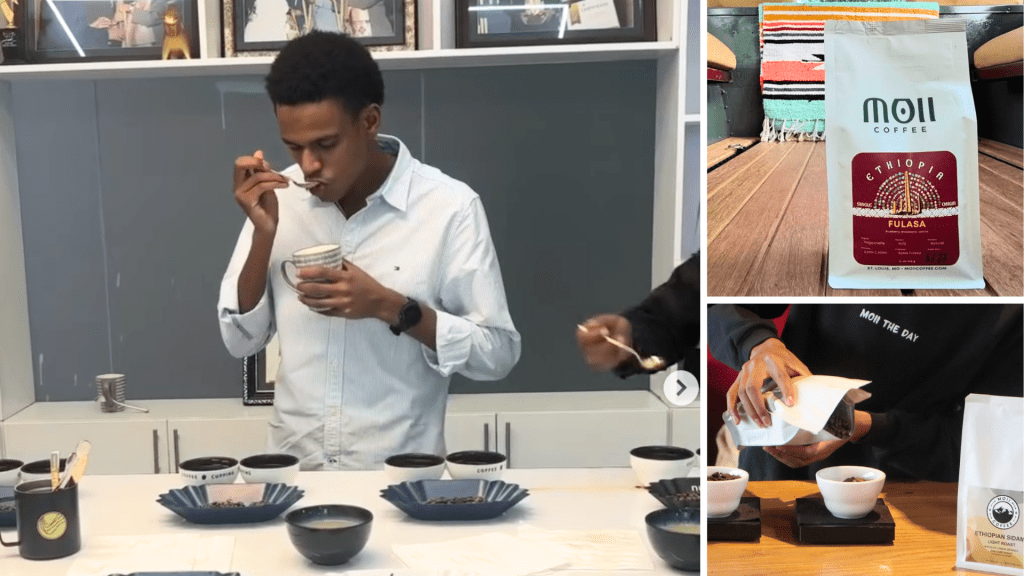
Looking ahead, Moii Coffee plans to expand its direct-to-roaster platform beyond Ethiopia to other African nations like Burundi, and eventually worldwide. This expansion is built on cultivating enduring, trust-based relationships, aiming for partnerships that can last “the next 10 years” to provide farmers with crucial financial stability. Firaol’s foresight, even acknowledging long-term concerns like climate change , underscores a responsible entrepreneurial mindset focused on sustainable impact.
Moii Coffee stands as a testament to the immense potential of African entrepreneurship. It demonstrates that integrating deep cultural roots, adopting purpose-driven business models, embracing supply chain innovation, and maintaining agility are not just best practices—they are the foundational elements for African brands to achieve enduring commercial success and reshape global perceptions.
 AFRICA BRAND FORUM
Leave a comment